The Memo
The Search for More EFFing Money

The Memo
To:
Everyone
Re:
Data Centers
Current Economic Data - Nasdaq/Rates/Construction/Unemployment
Star Trek
We’ve been here before
Today in effing time
Comments:
Hello, and welcome to all the new readers. Housekeeping note 1: I’ve made a change by 1 month in the trough to trough cycle of 1986-1993, 3 month in 1993-1999 and 3 month in 1999-2003. As explained below in today in “effing time.
Also:
Do you have the time to listen to me whine
About nothing and everything all at once?
I am one of those
Melodramatic fools
Neurotic to the bone
No doubt about it
Sometimes I give myself the creeps
Sometimes my mind plays tricks on me
It all keeps adding up
I think I’m cracking up
Am I just paranoid?
Or am I just stoned?

End Memo.
Dammit Jim I’m a doctor, not an escalator
The Report/Rant
“Captain’s log, star date 24.07.26
We’re in pursuit of an unidentified return metric, and working to solve the regulatory limitations placed upon our industry standards.”
While the tech world and those hoping to gain fortune from it, endeavor to construct ever larger data centers, further disconnect themselves from the world that we know, and the boundaries that we previously believed to exist, I feel more compelled than ever to ground myself in what has long been established.
That being the centuries of litigation and knowledge that has culminated through fulmination, in real property rights, and their unmatched protection by the constitution of these Unite States.
And I’m not talking about the recent attacks on property rights by the headline grabbing “socialists of NYC”, or the “Land Trusts” that keep popping up across the land.
I’m talking about the crossing of lines, mostly unknowingly, by those who work day in and day out, on volumes of capital being placed to have packaged returns. The difference often being the definition of risk mitigation.
I was recently fortunate enough to be a guest at this year’s Trepp Connect, in May. Attending on behalf of MacroEdge .
While there, the topic of Data Centers was a key focal point. Trepp assembled panels comprised of some of the most capable capital raisers, allocators, risk mitigators, risk takers and genuinely skilled operators of any real estate conference I’ve ever heard of let alone attended. They have nothing but my respect.
But this also isn’t about the suffix attached to the skill set. It’s about the prefix of the entirety of it all, as mentioned in my paragraph about centuries prior.
Data centers as they’re being developed, according to the developers, lenders and allocators in attendance at said conference, are running smack dab into the regulatory limitations I mentioned in my opening James Tiberius Kirk opening line rip off, to commence this writing.
While the focal point of the limitations they discussed revolved around regulatory concentration: I.E. you could have 100 developers who financed 100 data centers, but you still only have 4 tenants leasing them (25 each from 100 different non related entities) which presents a problem for lenders who have allocation risk guidelines,
The same smart folks were diligently working to solve those issues. Which is where the lines can get crossed. I’ve heard “data Centers are real estate”, “data centers are a business and real estate” and “data centers are infrastructure”. To the point even the folks attending made a pass at they’re some combination of the three that offer a different “return metric”. Clearly, centuries later, questions remain.
And thus we have the crux of today’s situation and the accidental assault on our longstanding protection of property rights. And I’m not even going to talk about data center water usage or noise levels. Because they’re secondary at best to the true issue at heart from what I took away from the conference.
Real property, or “Real Estate” is the rights and recognition of them, to the land in question, and that which is below and above its surface. Including the ability to separate them. As in the ability to sell or lease mineral rights (oil, gold etc) below or on them, to sell or lease the surface rights (aka parking, open storage or land lease), the rights to sell or lease the air rights (aka cell towers, condominiums, apartments, billboards) including even water rights (especially in southern arid states).
Before you ask what this has to do with data centers and the AI that shares a similar name to a former New England Patriots tight end, allow me to introduce the concepts of chattel and fixtures.
Fixtures are those items so permanently affixed to the “improvement to real estate”, (read building) I.E. air conditioning, heating systems and electrical conduits, that their separation would be akin to the destruction of said improvement of the property (read building and value above and beyond basic land).
Where as Chattel is considered personal property, even if “permanently affixed to the property or building”.
Chattel is often used in residential real estate to describe things like curtains, curtain rods or appliances. Affixed but of little to no value to the structure or improvement to the land.
In commercial real estate, chattel can include, restaurant kitchen equipment, CNC machines, car hydraulic lifts or even steel foundries, which are very much permanently attached to the “improvement” but are also specifically designed and used for personal business purposes.
Enter Data Centers, which are rife with chattel.
Remove the servers, processors, cooling/water systems, generators and backup power stations, and you have, in layman’s terms: an empty building. Or, simply: space.
A business uses that “chattel”. A building owner may put it in place to lease said “right to use property in exchange for money”. But those items do not make data processing a real estate endeavor. They are part and parcel of the right to sell limited use license to and of “real property” only insofar as the true rights owners of said property are willing to stake their capital to do so.
Likewise the claims of “infrastructure” begin and end with the longstanding legislation and litigated history of property rights.
We’ll leave alone the recent history of “importance” to every day life, because it’s grounded in the same concepts and history as the aforementioned. In fact when evaluating the concept of “infrastructure” or “public utility”, there is zero mentionable resemblance in this writers mind to said public benefactors behavior.
And I can describe it in real estate terms. Have you ever heard of an easement?
Your phone, internet, natural gas, electricity providers don’t buy your entire property. They don’t buy increasingly larger portions of everyone’s property. They buy increasingly smaller encroachment (intrusion) in all of our properties. Which are commonly called easements. And they often don’t even buy them, we’ve just legislated that they have said land use rights, while simultaneously having no land use obligations (read taxes) to do anything other than “put back to the condition of prior improvements or repairs to said utility”. Their purchase price is essentially: “you like turning on your ac/heat/oven/lights right? Ok we’ll pay to make connections to those in your yard, you just have to pay us to use them as you go, and also don’t (old world) shoot or hassle our employees while we make connections or fix/improve them in your yard.”
Sometimes you even have to pay a connection fee, but that essentially covers labor and materials to connect your house to said “public utilities”. And the system works. Or worked.
Until that is, Sammy said everyone has a right to Artificial Intelligence replacing their God given natural intelligence. Never before has a preacher lead astray their flock. Amirite?
Now that we’ve covered those concepts, and where they came from: is it any wonder why those who are entrusted and employed to mitigate risk, are beginning to ask larger and more important questions regarding how and why capital is being allocated to the bastardization and abuse of how real property collateral is, was and ever should be valued?
Oh but I’m sure your property rights are just fine. After all, you’re just a good consum…erican.
I have no doubt we’ll someday achieve Star Trek’s “computer”, at least as far as its ability to answer questions with the accuracy of an encyclopedia. My only question is, will we do so with the cautious integrity that Gene Roddenberry set forth with his rules for the Federation’s interference with societies, and the boldness of Captain Kirk’s ability to navigate the Kobayashi Maru, or will we just get the future Star Trek(s), bereft of the endearing traits that made it what it was, resembling more Demolition Man than Star Trek?
Up next: Data Centers in Space, starring Mel Brooks. Written by Mel Brooks. Directed by Mel Brooks.
I’m not sure if it’s a good thing or a bad thing, but get ready for Spaceballs 2. The search for more money. Seriously.
“We’re in pursuit of an unidentified return metric, and working to solve the regulatory limitations placed upon our industry standards.”
Live long and prosper.
The Charts
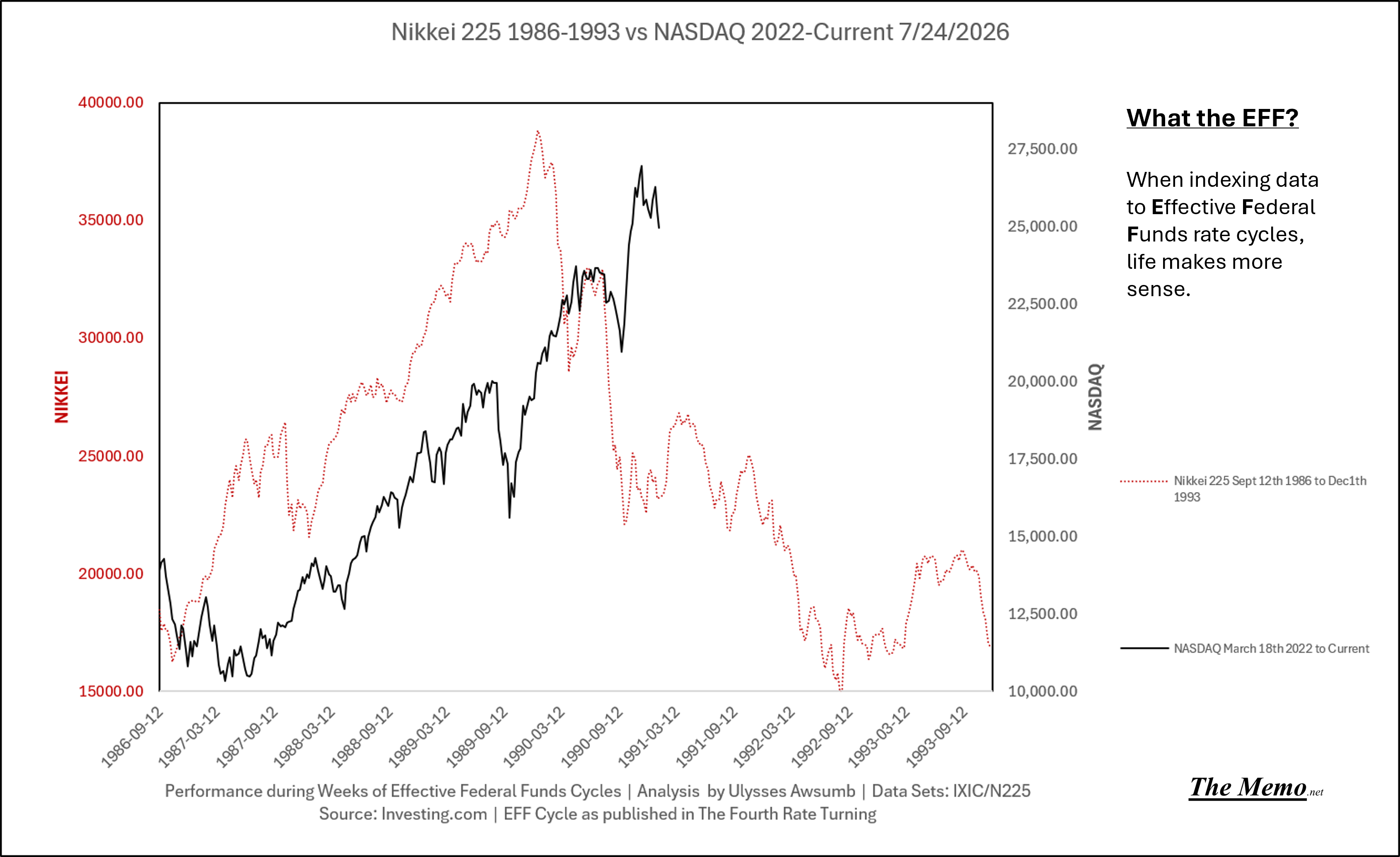
Nasdaq. I’ve seen this movie before, and it appears to be on time.
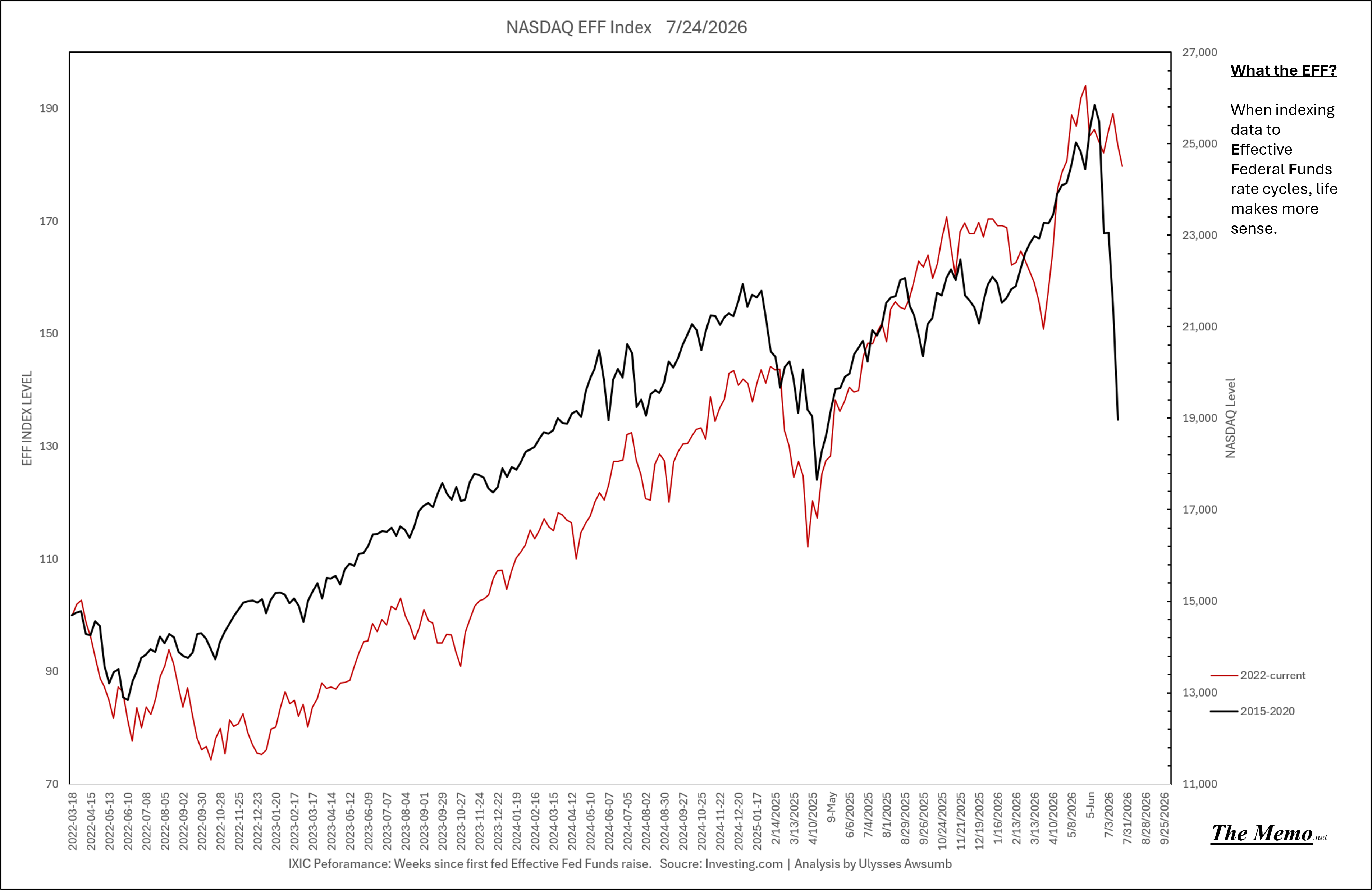
vs 2008
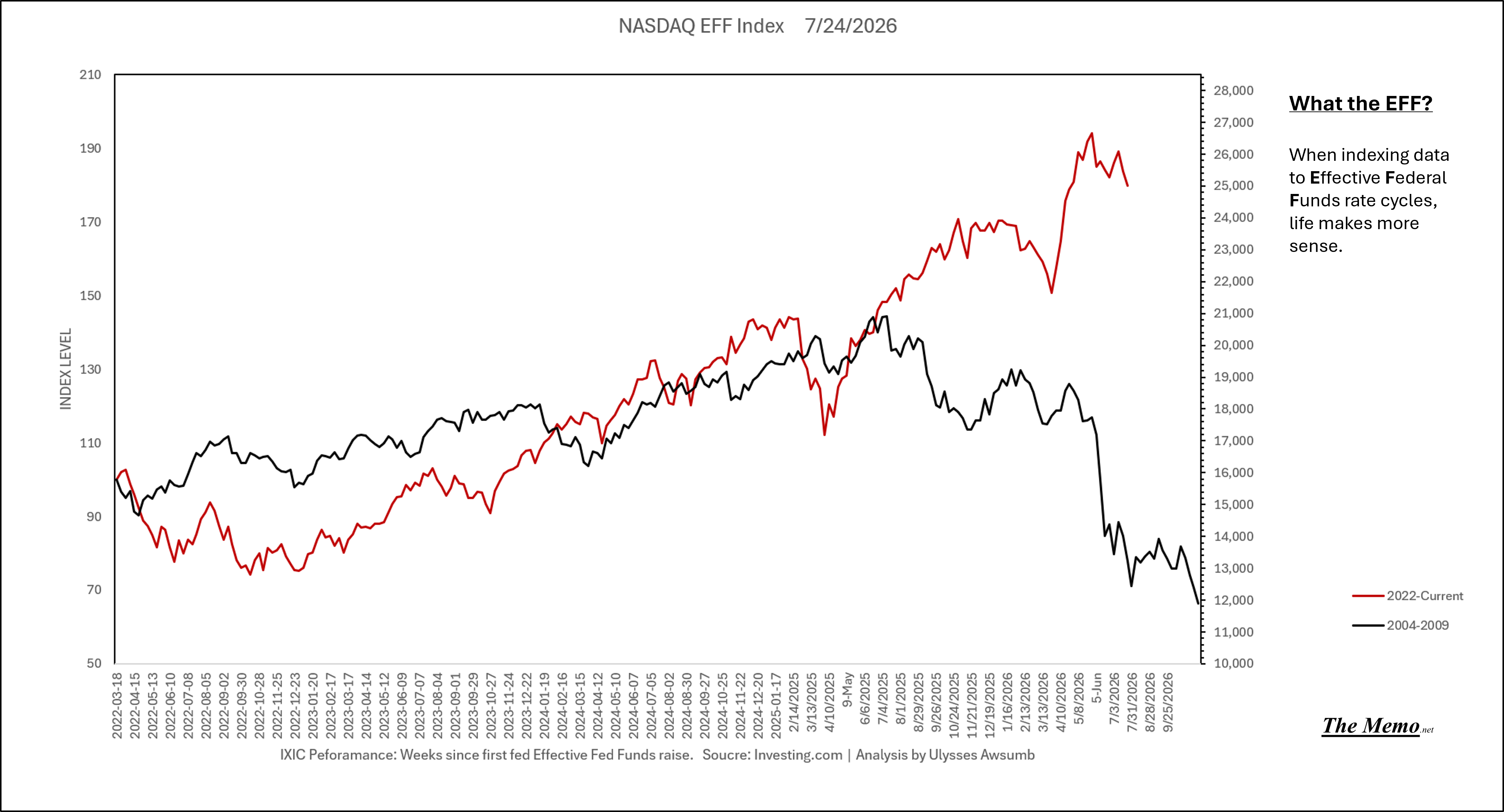
Vs past cycles in smaller timeline window.
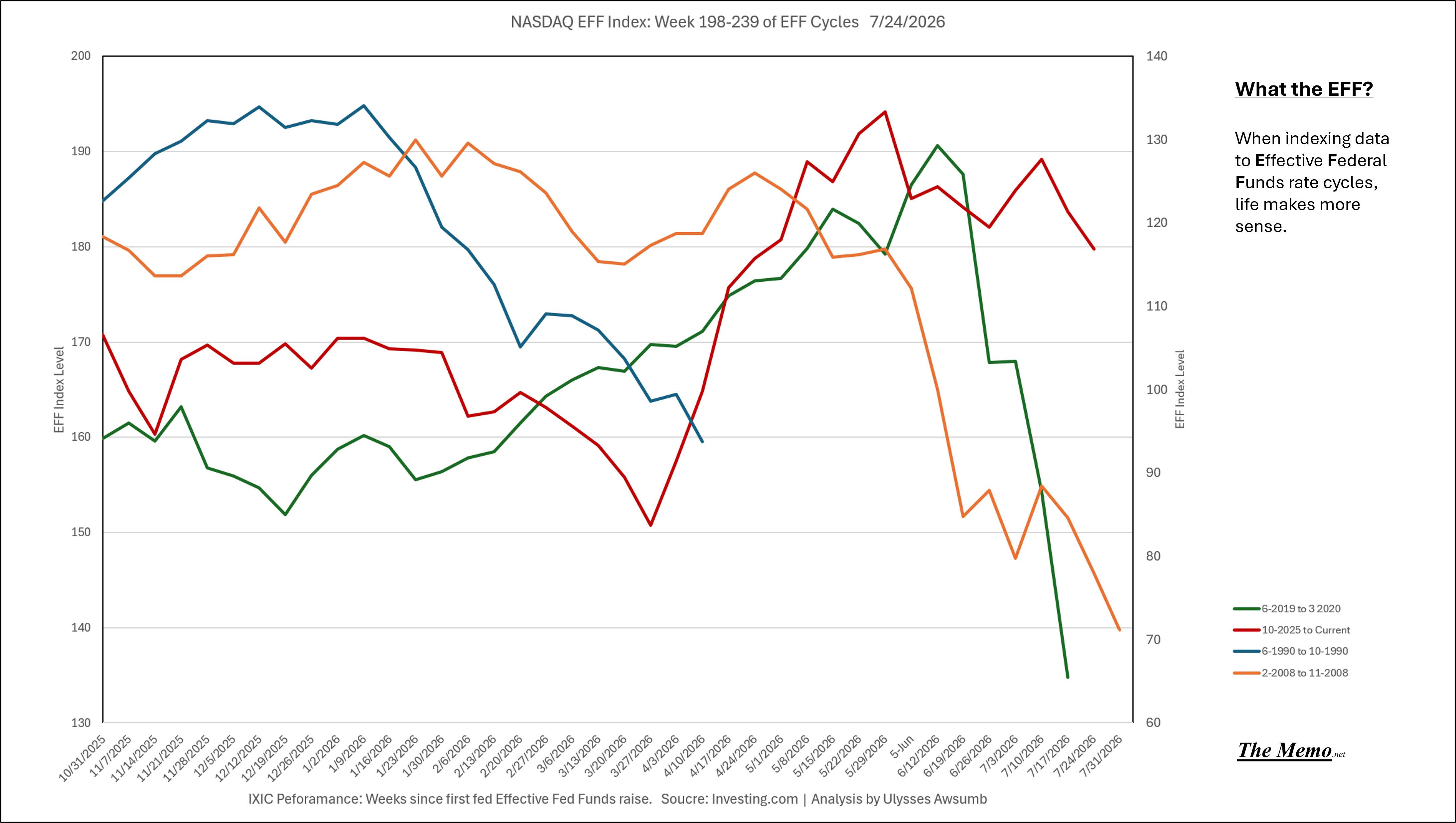
Of further interest. In past time vs current time.
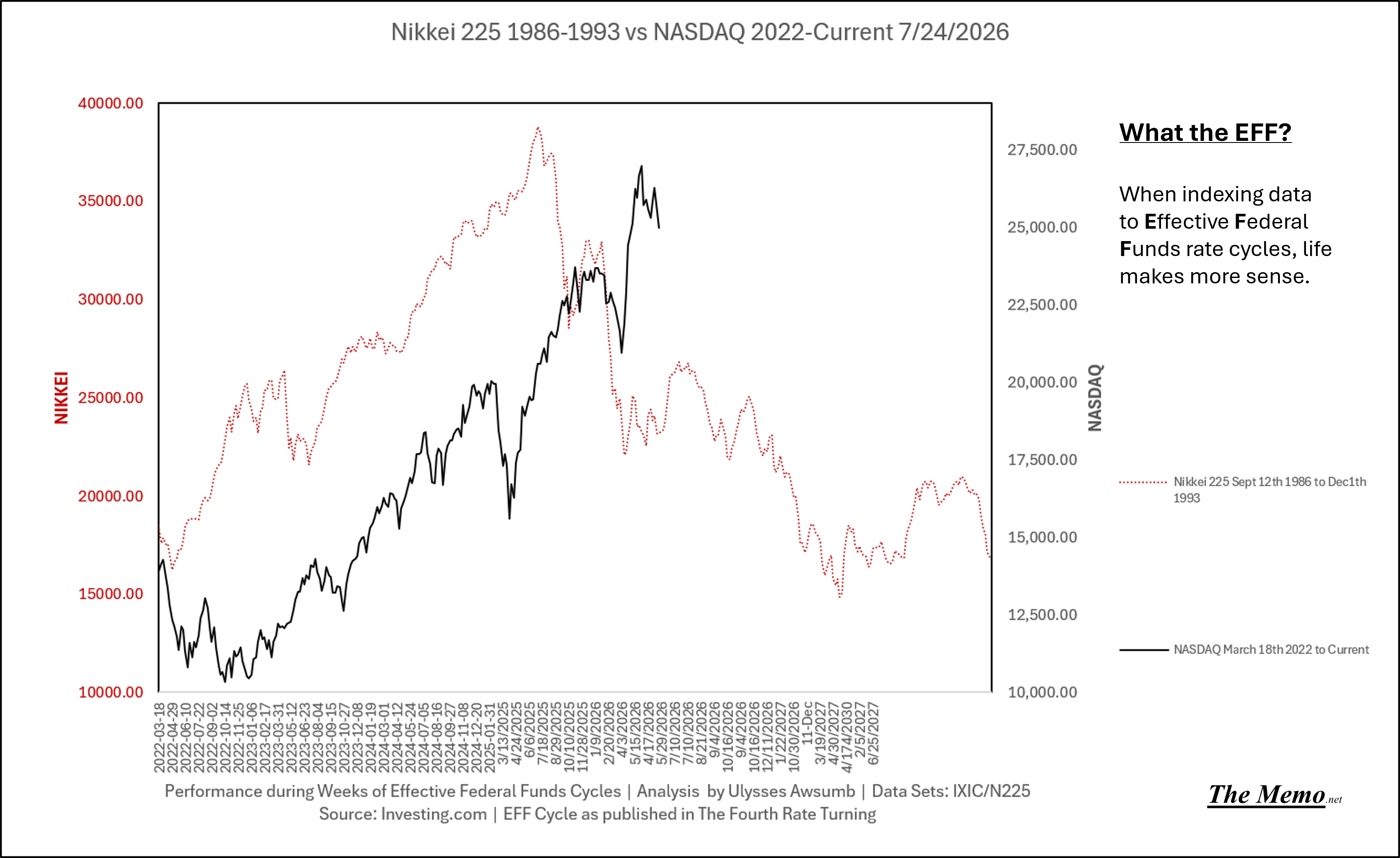
In current and future time vs past time.
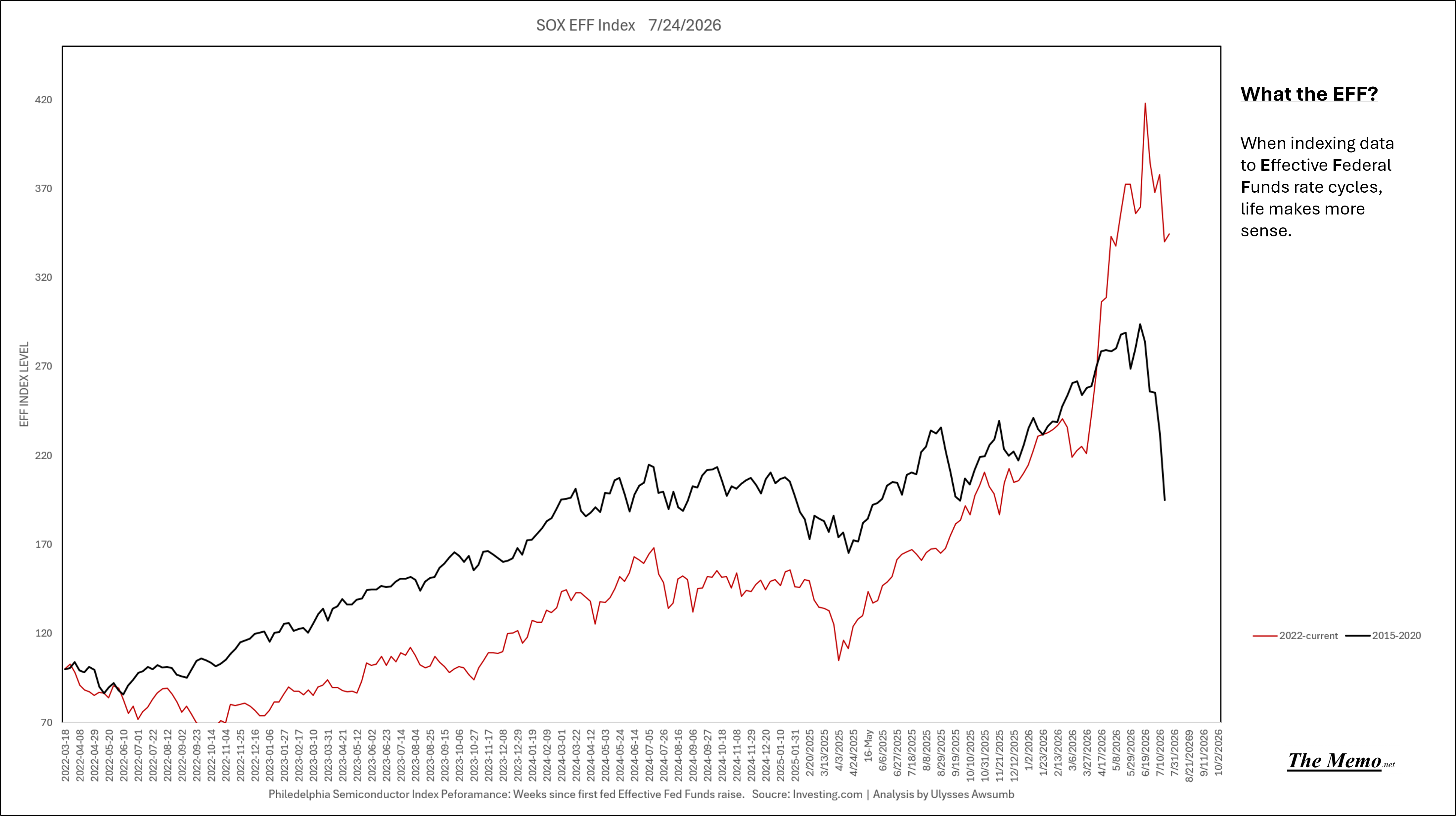
Semiconductors in space. The mov…ie.
Remember I said it would probably be a good time to take some profits, in Q1 on gold?
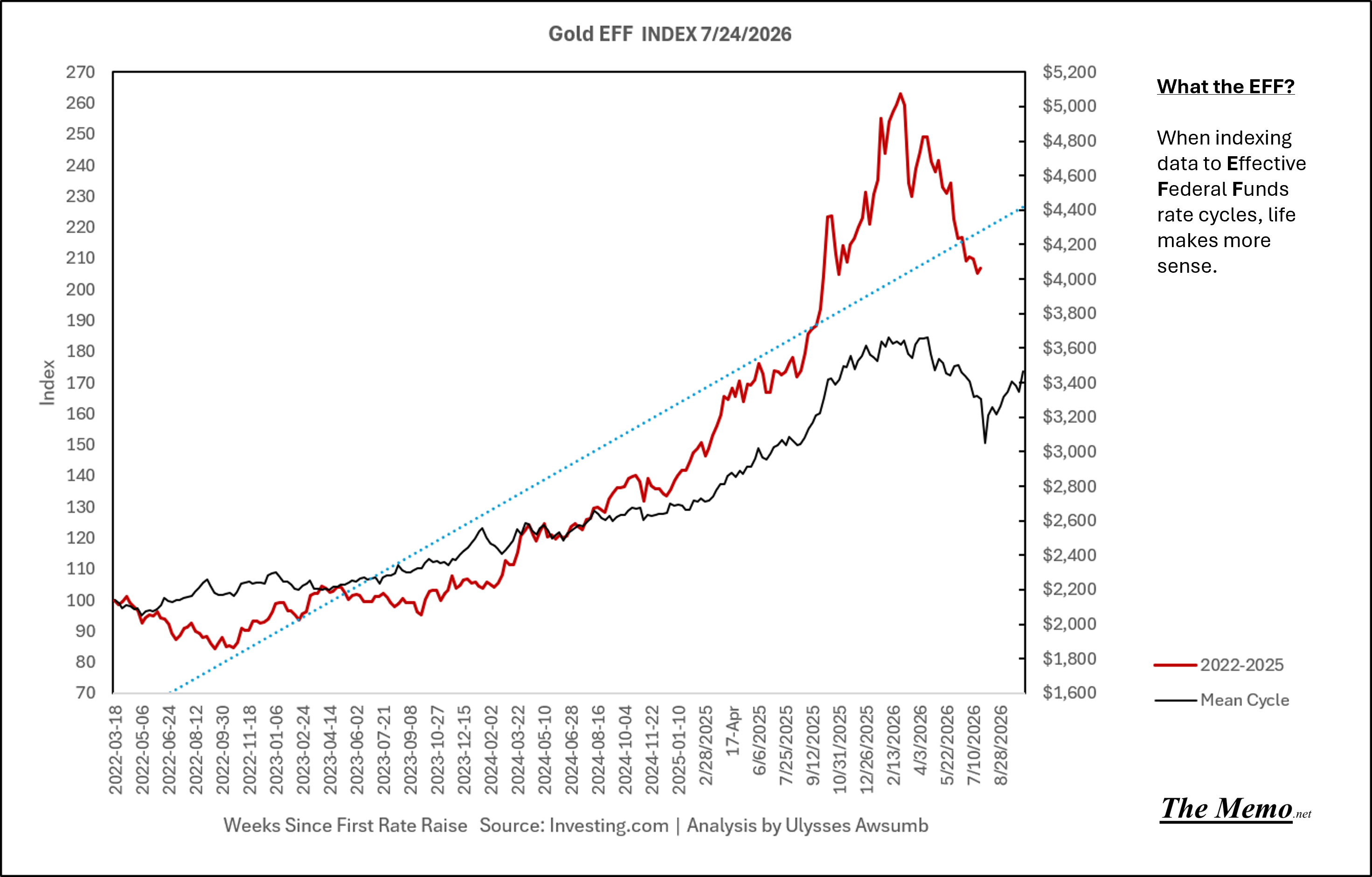
Don’t worry if you didn’t.
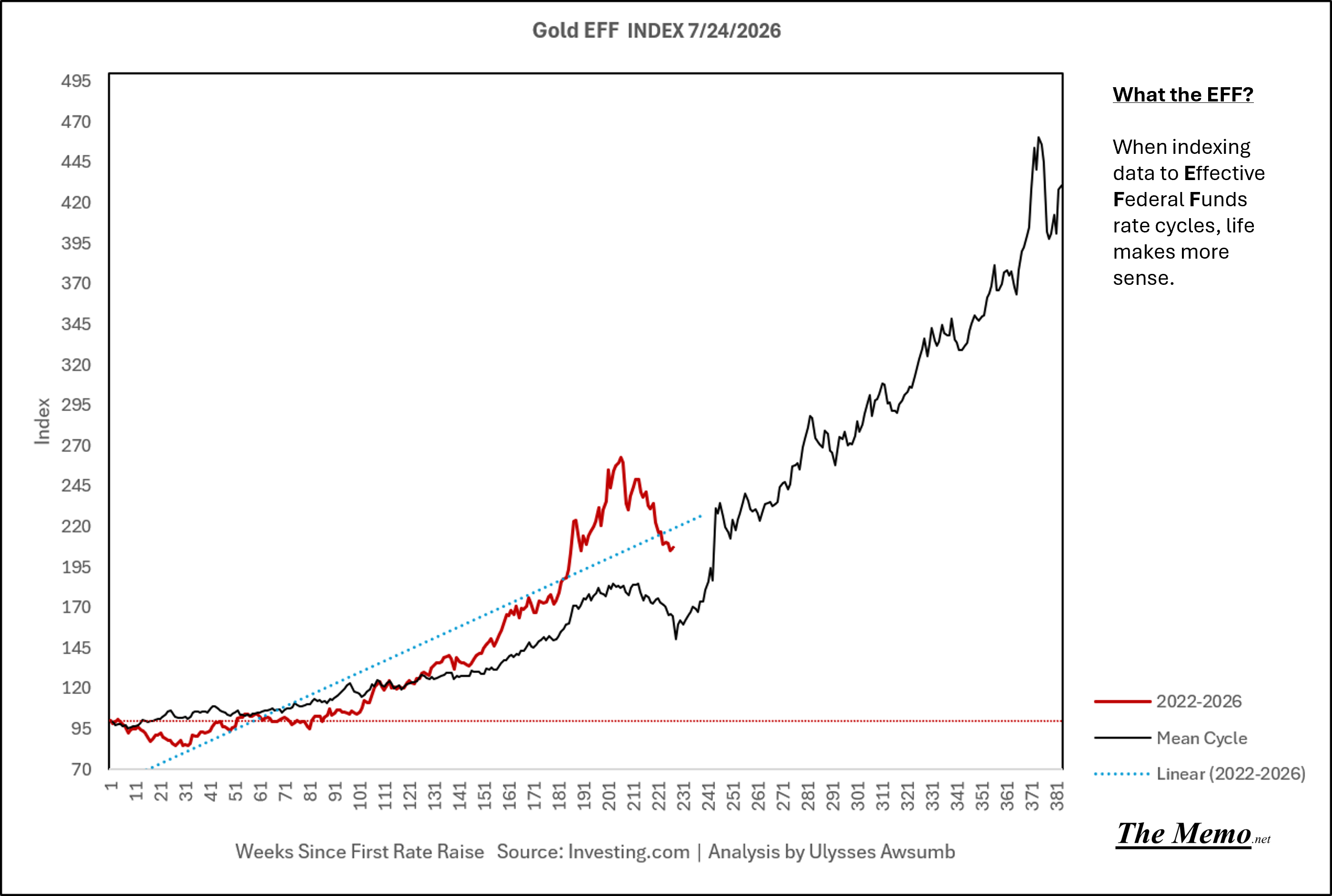
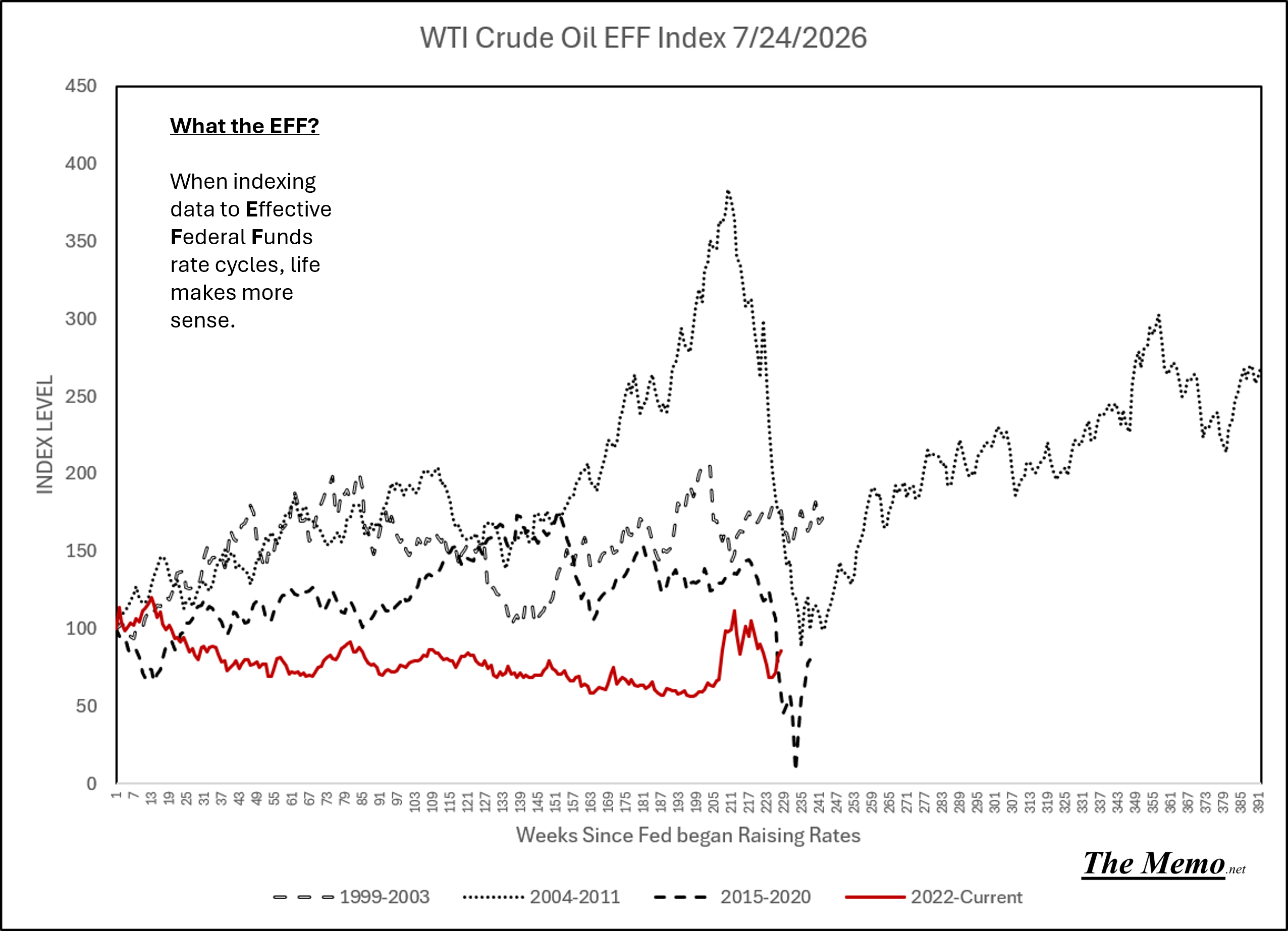
Hooray, back to where the cycle started. With war time oil prices.
Residential construction stopped going straight down.
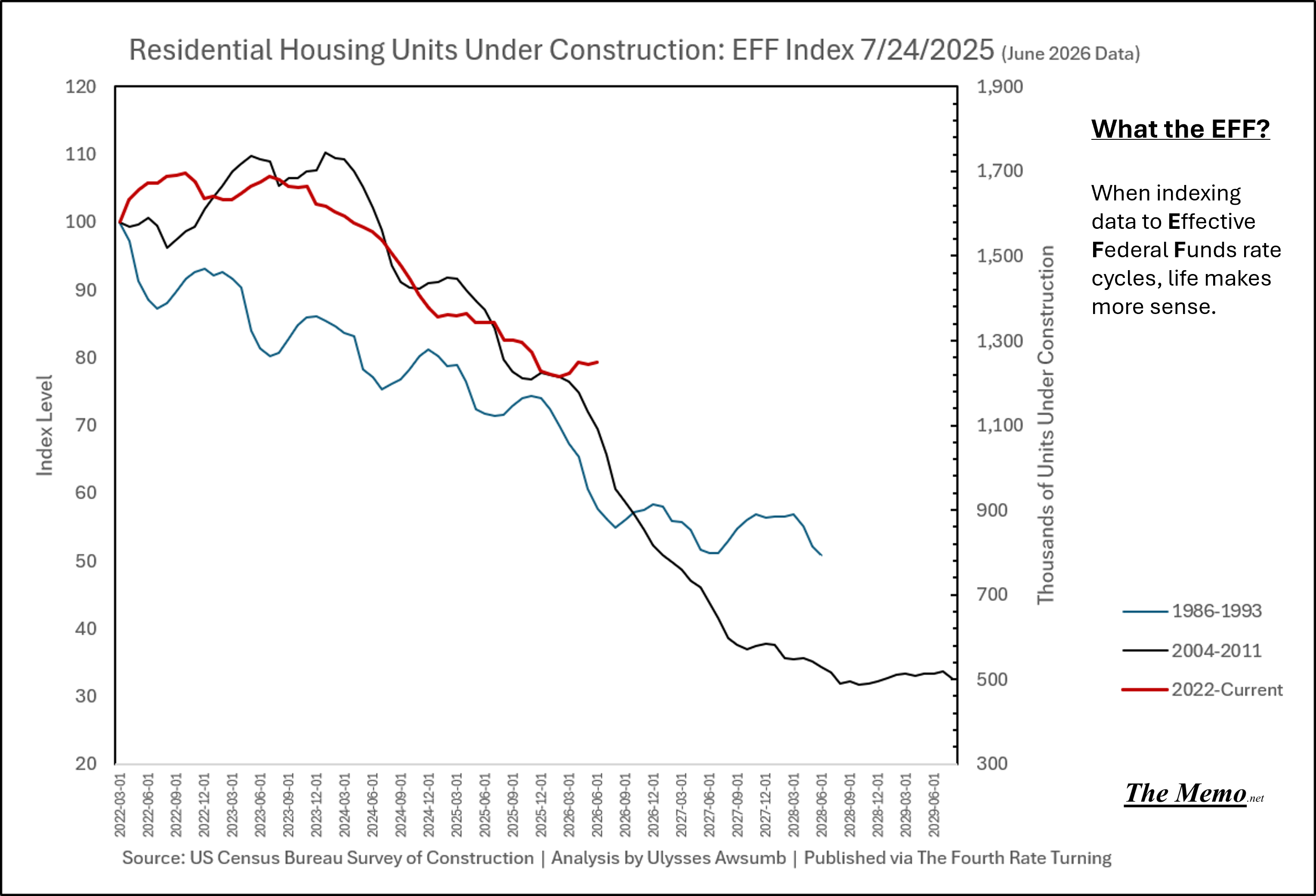
For now.
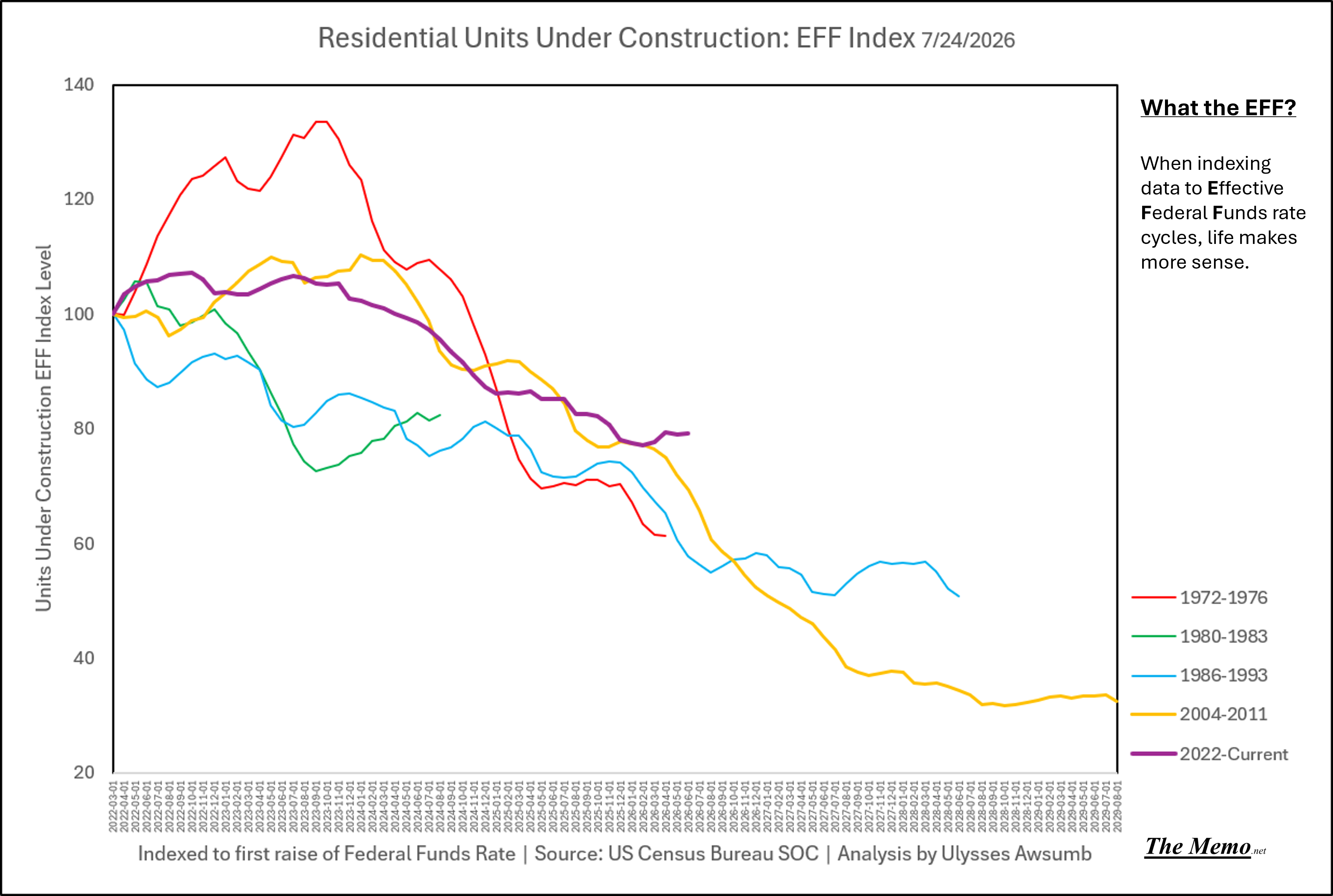
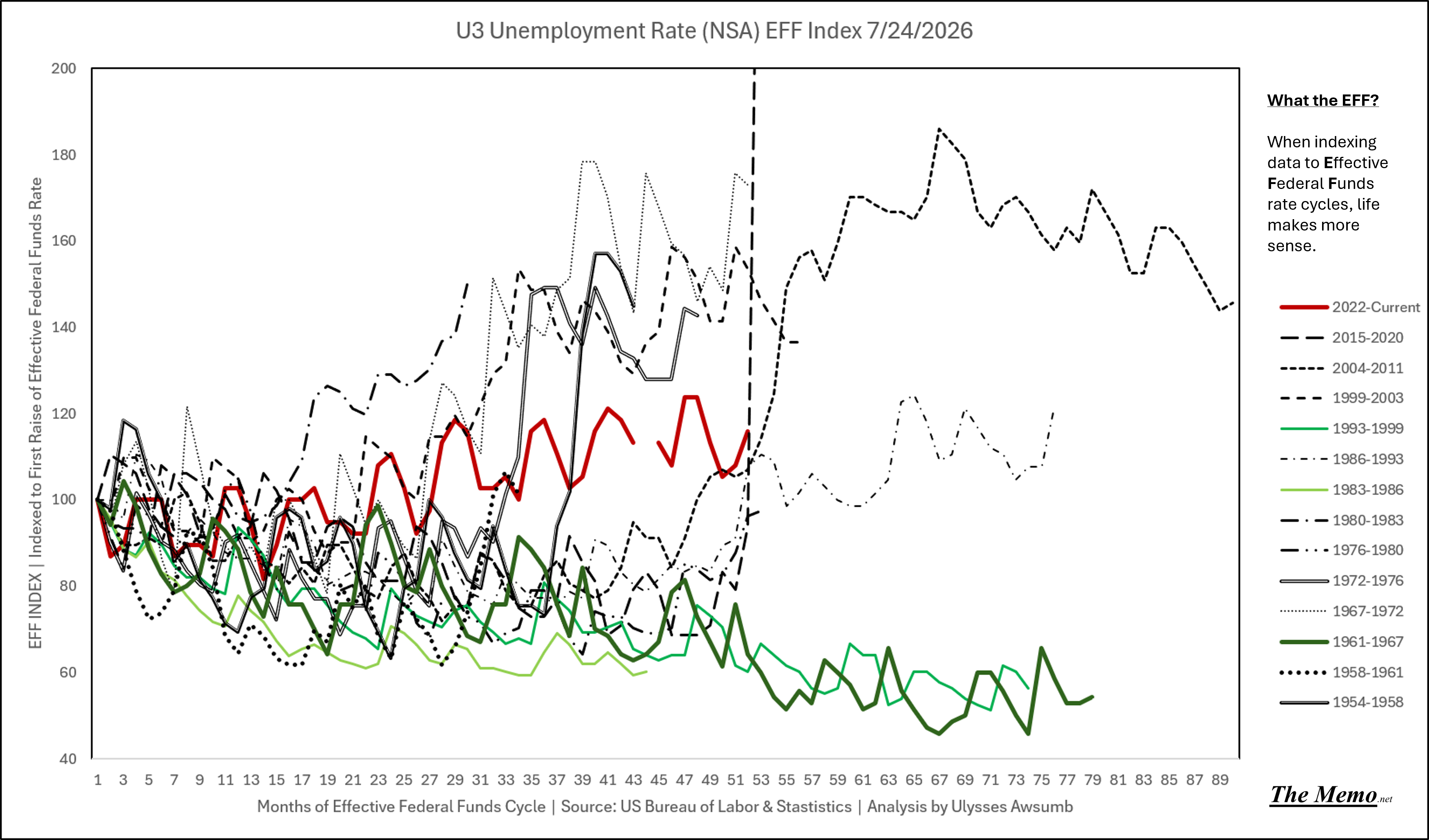
The unemployment rate (U3) on a non seasonally adjusted basis is back up to 4.4 % though. I can’t imagine why the pitch line “with data centers, AI can replace all human jobs” is creating data center moratoriums and public outrage. Strange. Anywho, check out MacroEdge’s new data center piece. Find it HERE
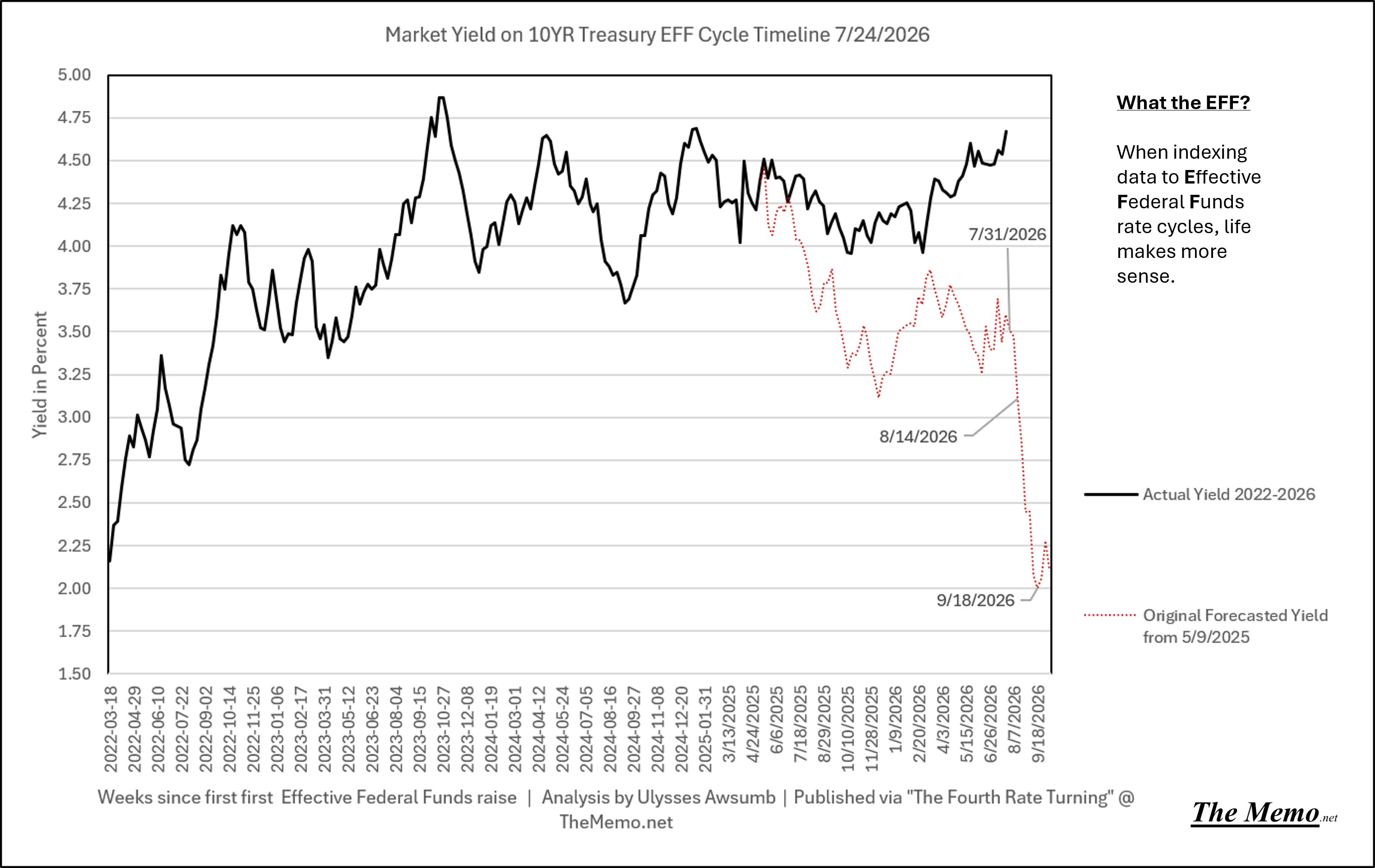
In case the charts are not clear, we’re within weeks of the end of the cycle. Which way from here? 10 more weeks of watch.
Break Fast
27 years of price change. Not a bad return.
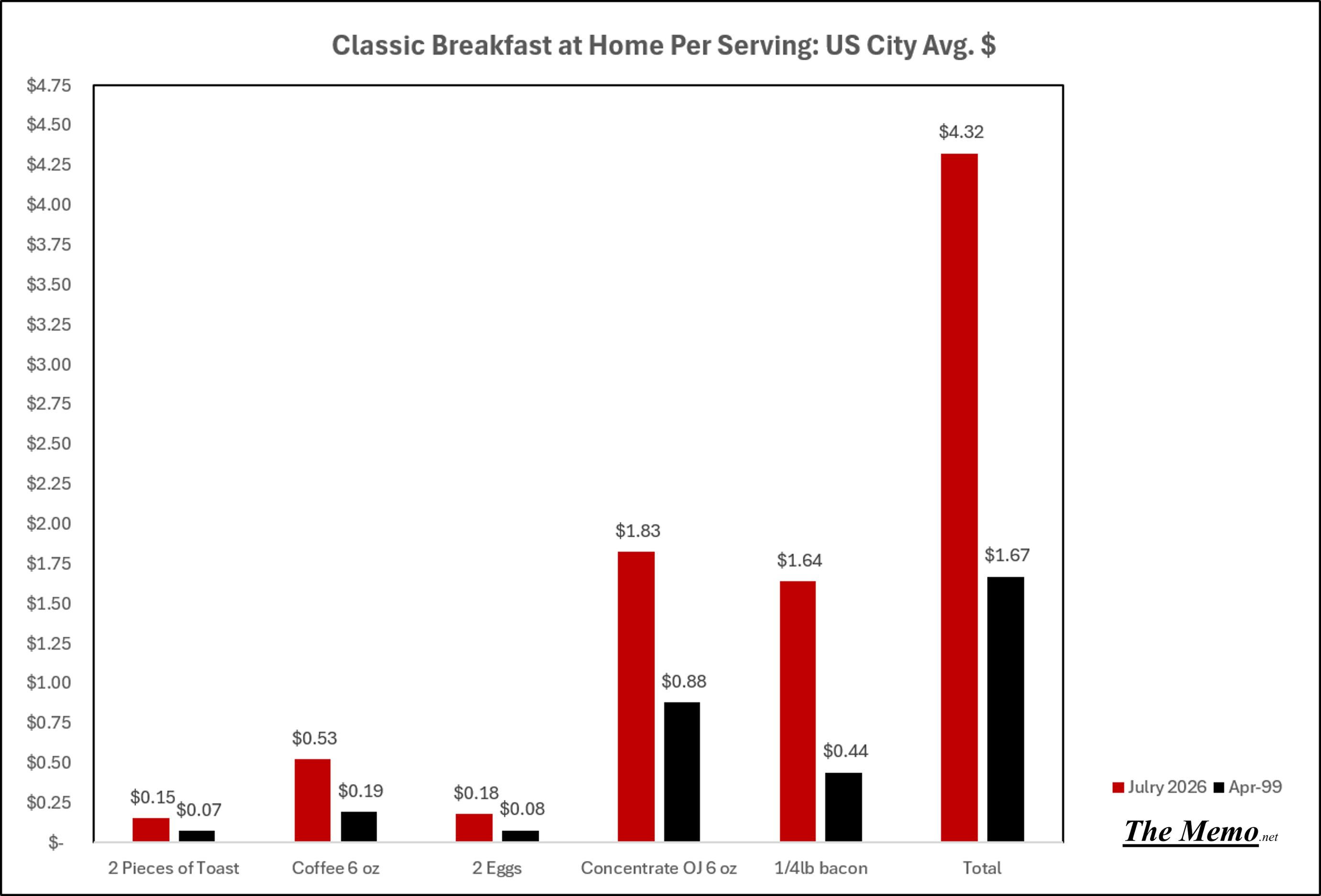
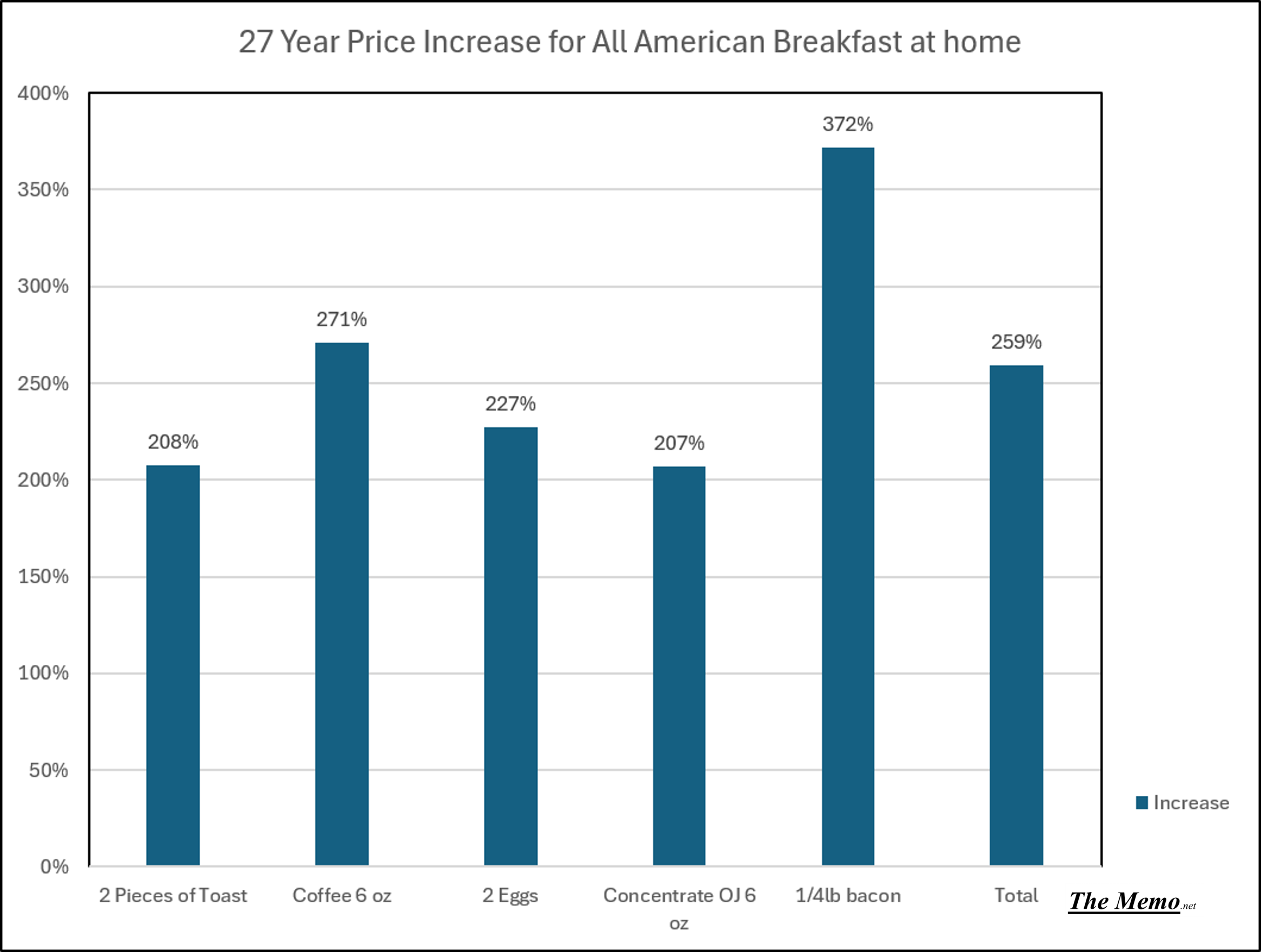
Where’s that holodeck at?
Today in Effing Time it is:
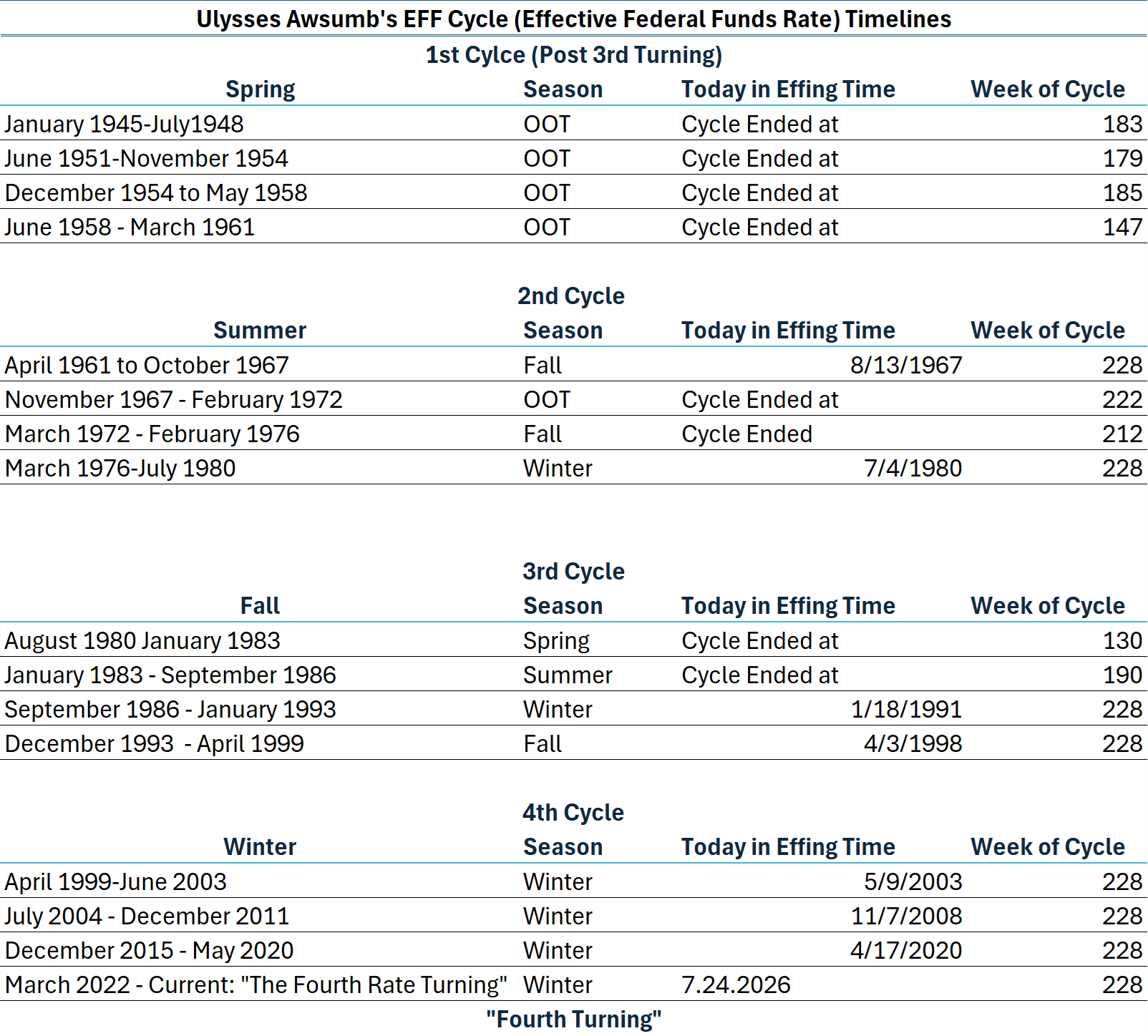
I’ve wrote at length about how we’ve experienced 15 Effective Federal Funds Cycles since 1944. Each cycle has a:
Spring
Summer
Fall
Winter
They can be summed up as: Initial Reaction to EFFR (effective federal funds rate) changes, Growth despite of EFFR Changes, Stagnation/Inability to further grow as EFFR tops, and outright contraction even as EFFR chases said contraction.
The Mean cycle time going back to 1944 is 238 Weeks. Or 4 1/2 Years. The Median cycle time is 225 weeks, or 4 3/10ths Years. So 4 Cycles is roughly 20 years.
(4 1/2Years x 4 =18)
Coincidentally, Neil Howe’s Fourth Turning seasons average 20 years each, or roughly 80 years start to finish. Each of those seasons represents:
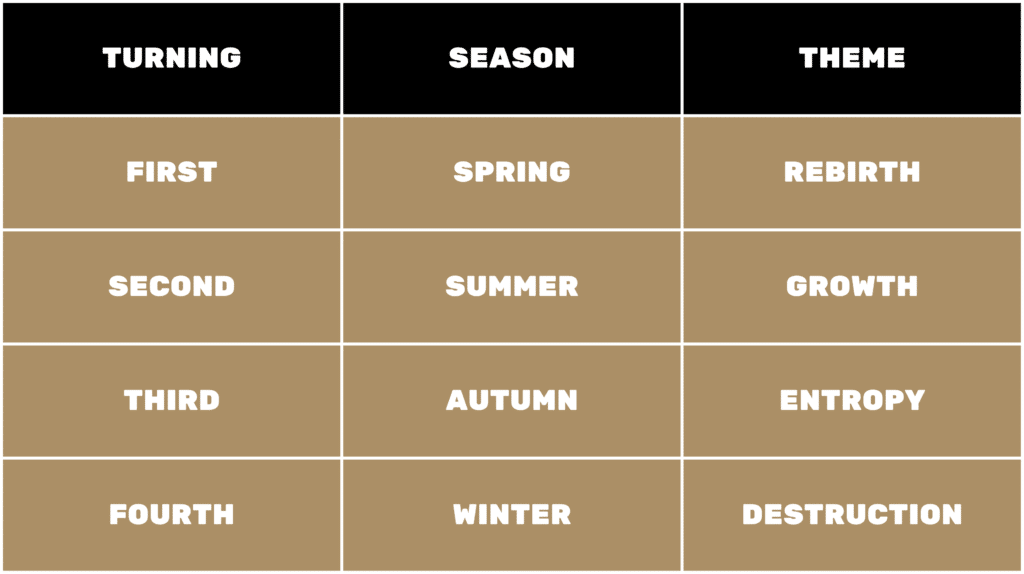
So an EFF cycle is the time from rates commencing their rise, to the time they bottom, before the cycle begins again. OR, that’s what(s) the EFF.
Those cycles consist of days/weeks and months. So we can pinpoint today in time to the day/week/month of the previous cycles, and compare the economic reactions, behaviors and outcomes to the current cycle. I call those days: Today in Effing Time.
We currently just completed the 211th week of the cycle. Or,
Today in EFFing time it is: